

Bakes by Chichi

Simple Delicious Recipes

  • Home
  • ABOUT ME
  • Recipes
    • Appetizers (Starters)
    • Breakfast
    • Cakes
    • Cupcakes and Cake Pops
    • Cheesecake
    • Cocktails
    • Cookies
    • Desserts
    • Dinner
    • Drink
    • Healthy Recipes
    • No Bake Recipes
    • Salad
  • Contact
  • WORK WITH ME
  • Videos
  • Social
    • youtube
    • facebook
    • instagram
    • tiktok
    • pinterest

Soft Milk Bread (Tangzhong Method)

November 21, 2026 by ChiChi Dodoo Leave a Comment

Jump to Recipe Print Recipe

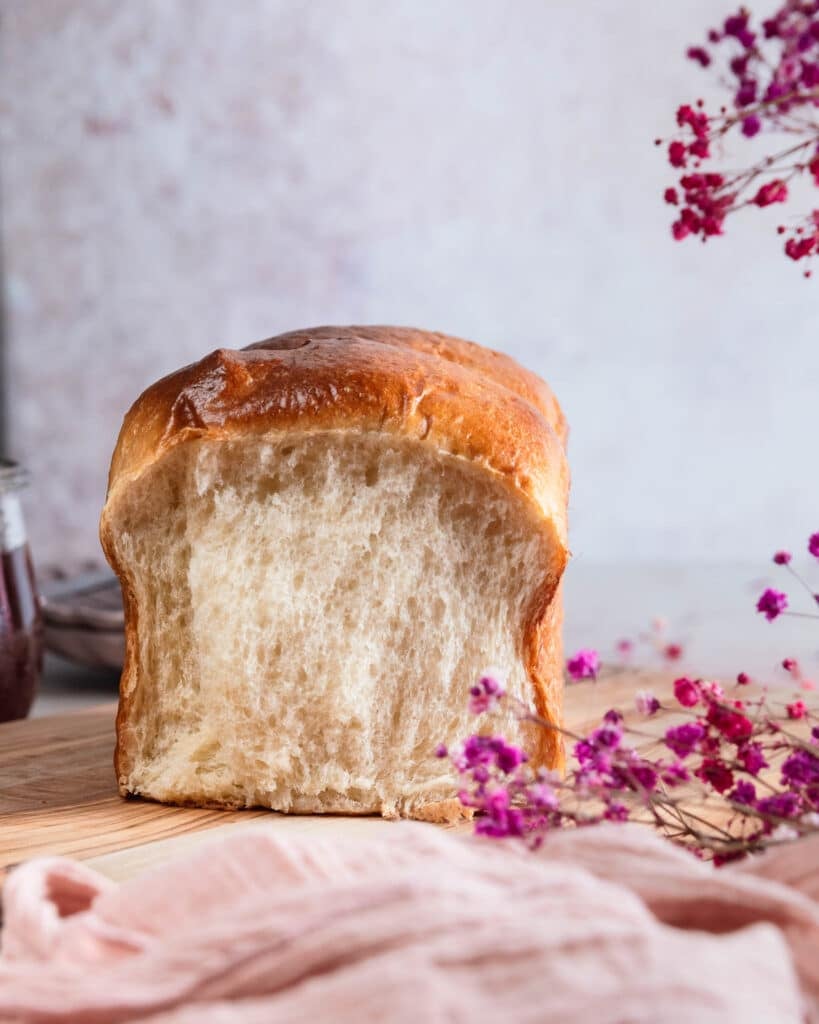
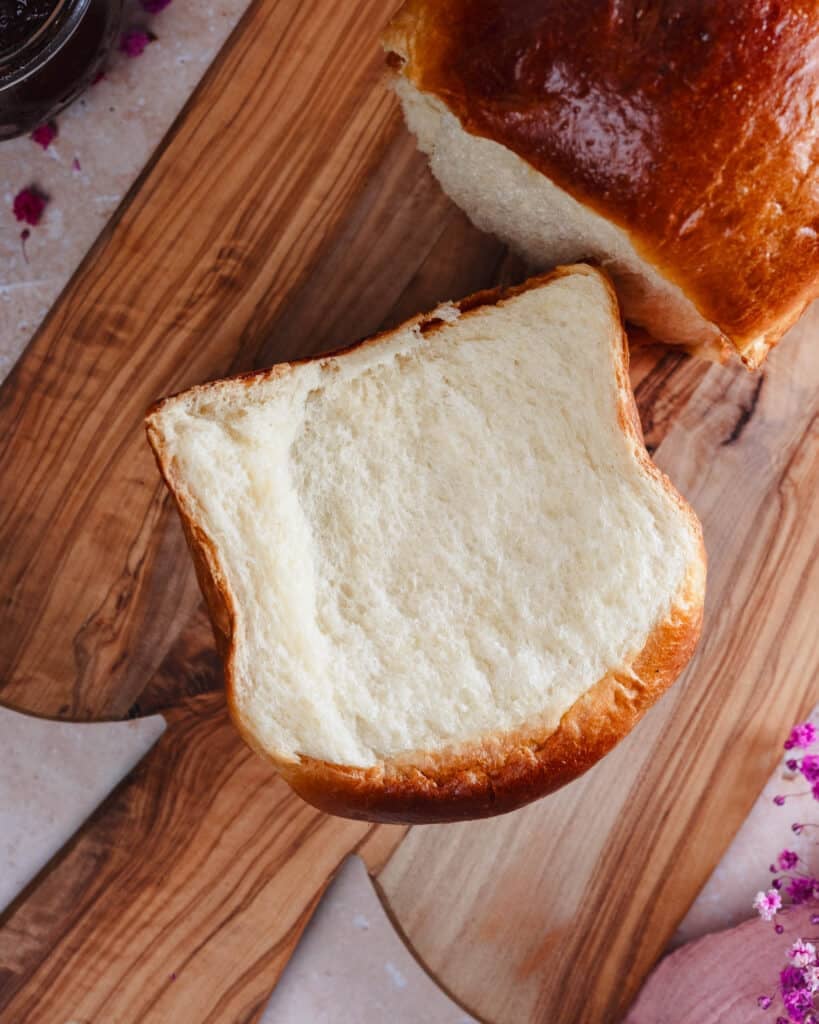
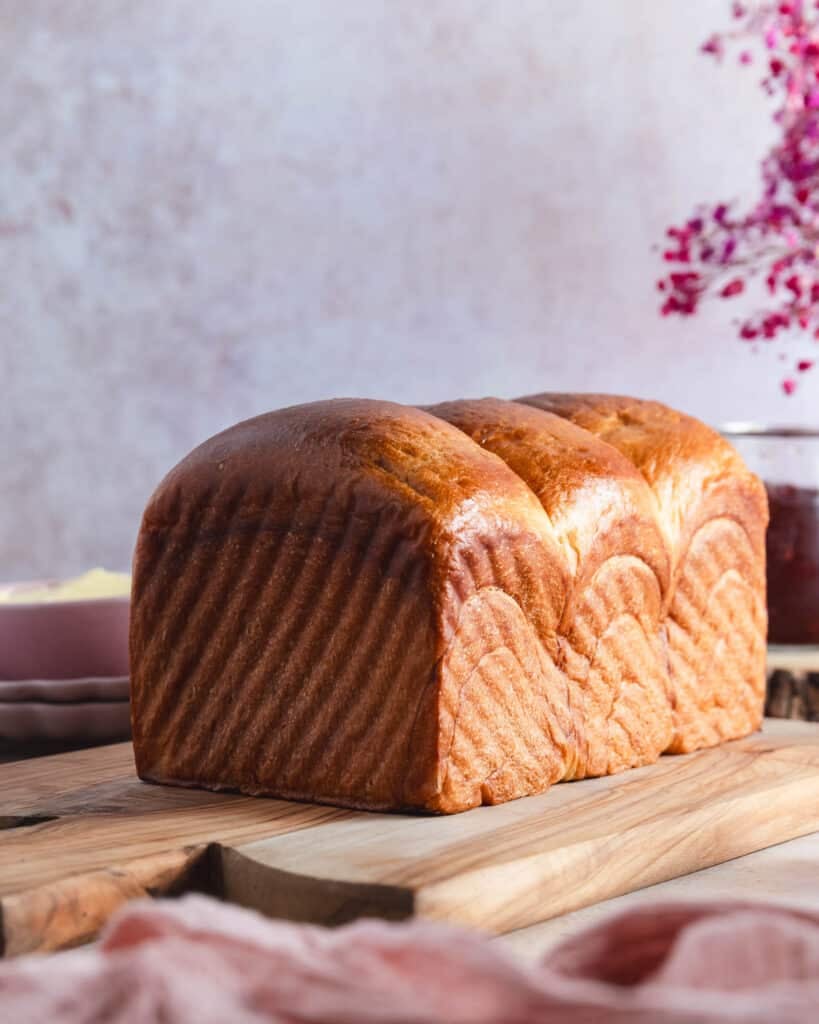
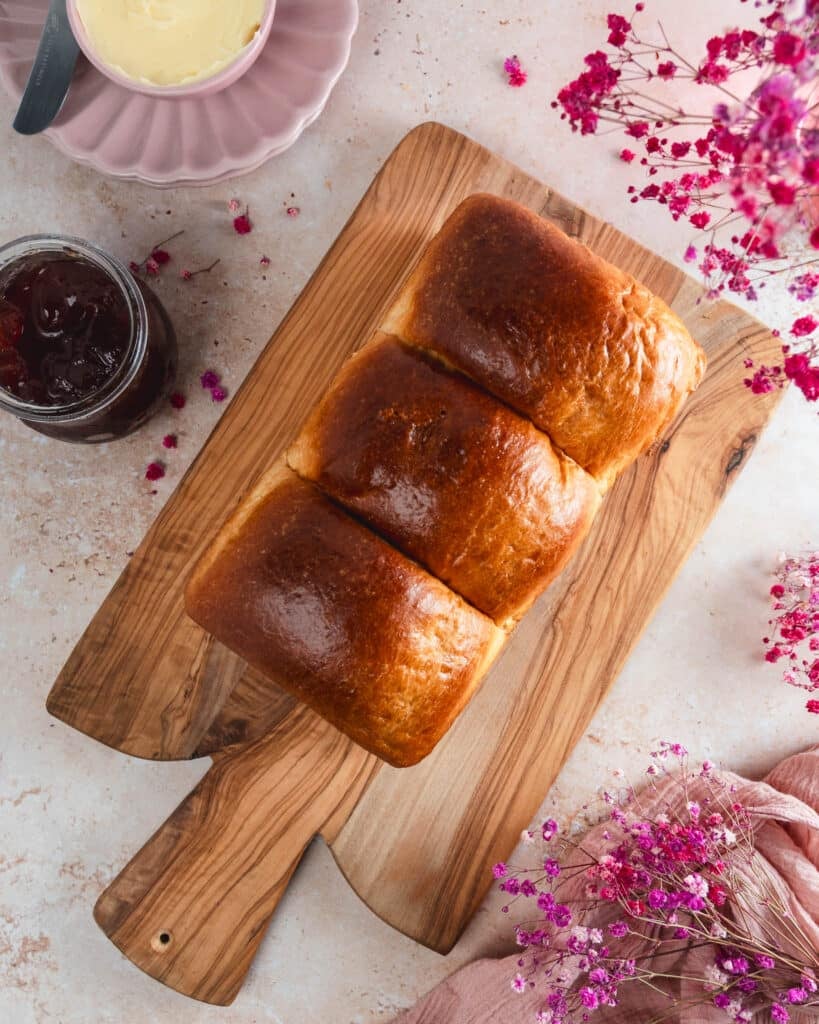
This milk bread is light, pillowy, and soft.  It’s so bouncy that when you give it a gentle squeeze,  it springs right back to its original shape; that’s how soft and fluffy it is. Let’s talk about flavour; it is absolutely amazing. Each bite is a delight. Enjoy it on its own, spread with butter or jam, or topped with your favourite spread. It is also perfect for making delicious, golden French toast!

Soft Milk Bread

Why you will love this recipe

It is deliciously rich and flavourful, thanks to the butter, milk, cream and eggs.

The addition of tangzhong keeps the bread soft, fluffy and fresh for longer.

Tangzhong also gives the dough extra lift, resulting in a beautifully tall, light and airy loaf.

What is milk bread ?

Milk bread is a soft, fluffy, slightly sweet bread that is famous for its incredibly light, pillowy texture. It’s particularly popular in Japan, where it’s known as Shokupan (Japanese milk bread). Its signature softness comes from the use of tangzhong—

Soft Milk Bread

What is Tangzhong?

Tangzhong is a Chinese baking technique that involves cooking flour with a liquid, such as water or milk, until it forms a thick, smooth paste known as a roux or starch gel. During this process, the starch in the flour gelatinises at approximately 65°C (150°F).

This technique allows you to add more liquid into the dough without making it overly sticky or difficult to handle. The additional moisture produces bread that is exceptionally soft, light and fluffy. It also helps the bread rise beautifully, giving it extra height and volume. Most importantly, it helps the bread retain moisture, keeping it softer and fresher for longer.

Soft Milk Bread

How to make milk bread

Make Tangzhong

  • In a saucepan, combine  25g of bread flour and 100g of water, whisking until smooth.
  • Place over medium heat, stirring continuously to prevent lumps from forming.
  • Continue cooking until the mixture thickens into a smooth paste and reaches 65°C (150°F).
  • Remove from the heat and transfer to a bowl.
  • Cover with cling film and leave to cool completely before using.

Make the dough

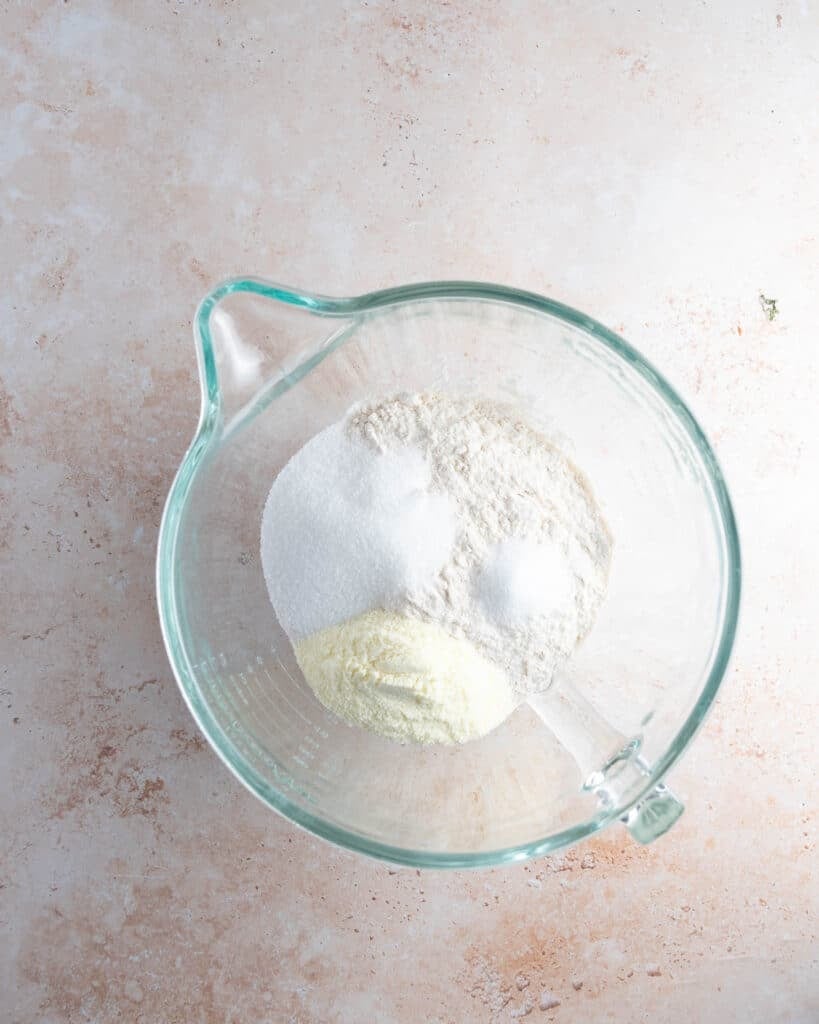
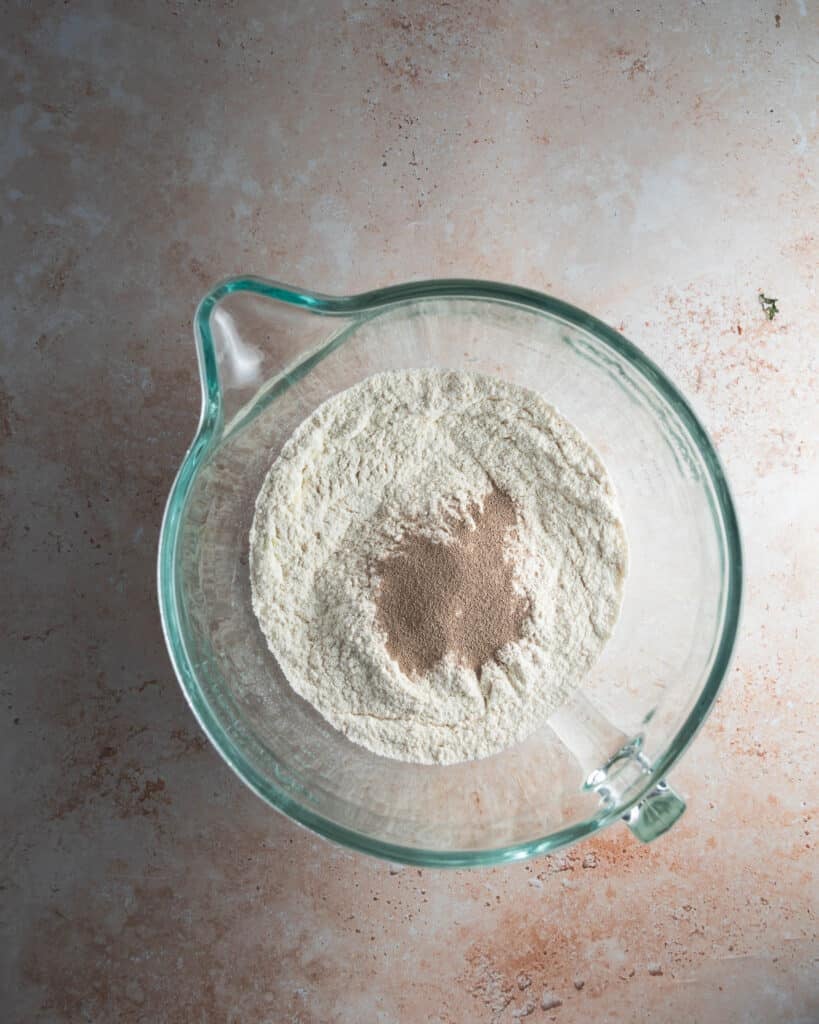
  • Add the bread flour, sugar, salt, milk powder and yeast to the bowl of a stand mixer.  Add the salt and yeast separately, placing them on opposite sides of the bowl to prevent direct contact. Salt can inhibit yeast activity when it comes into direct contact with it. Mix briefly to combine.

Milk bread flour mix
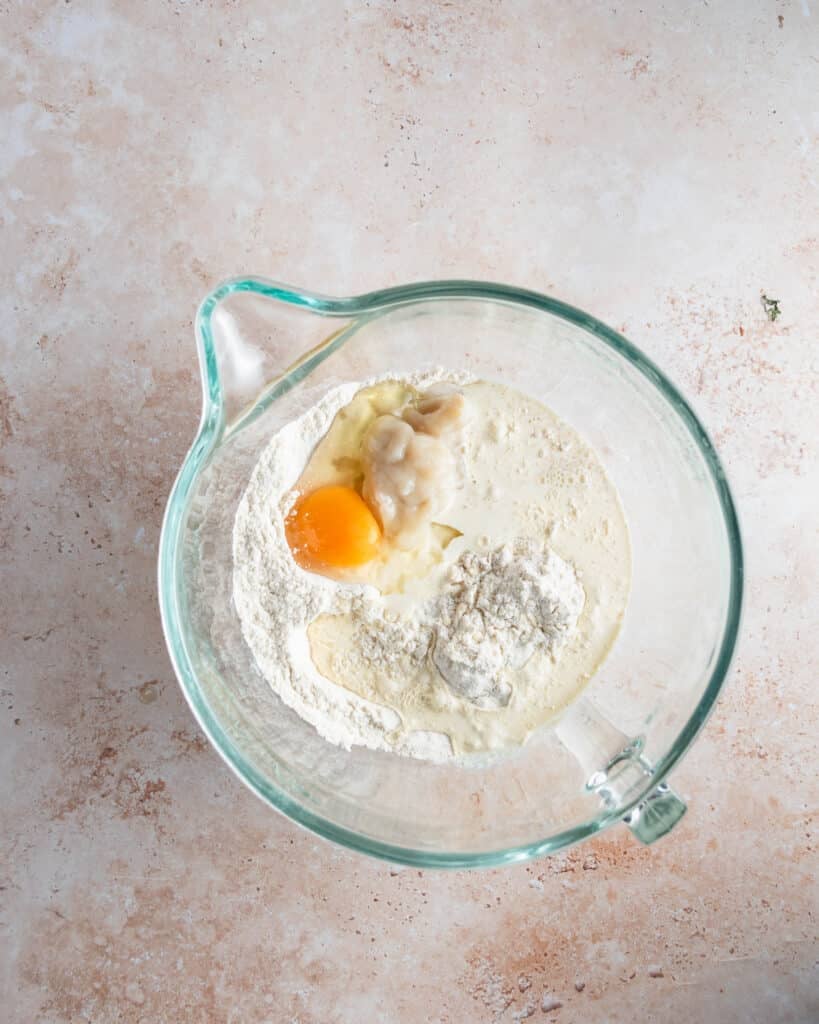
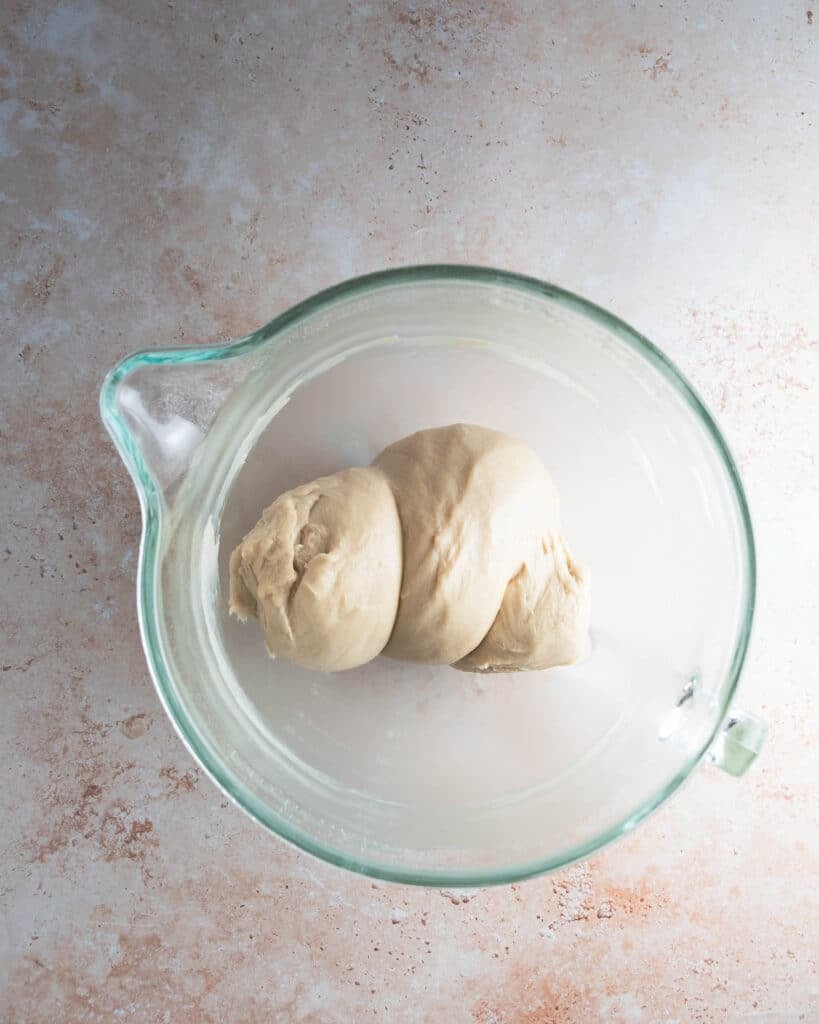
  • Add the cooled tangzhong, egg, milk and cream. Knead for 10 minutes. At this stage, the dough may look rough and shaggy.

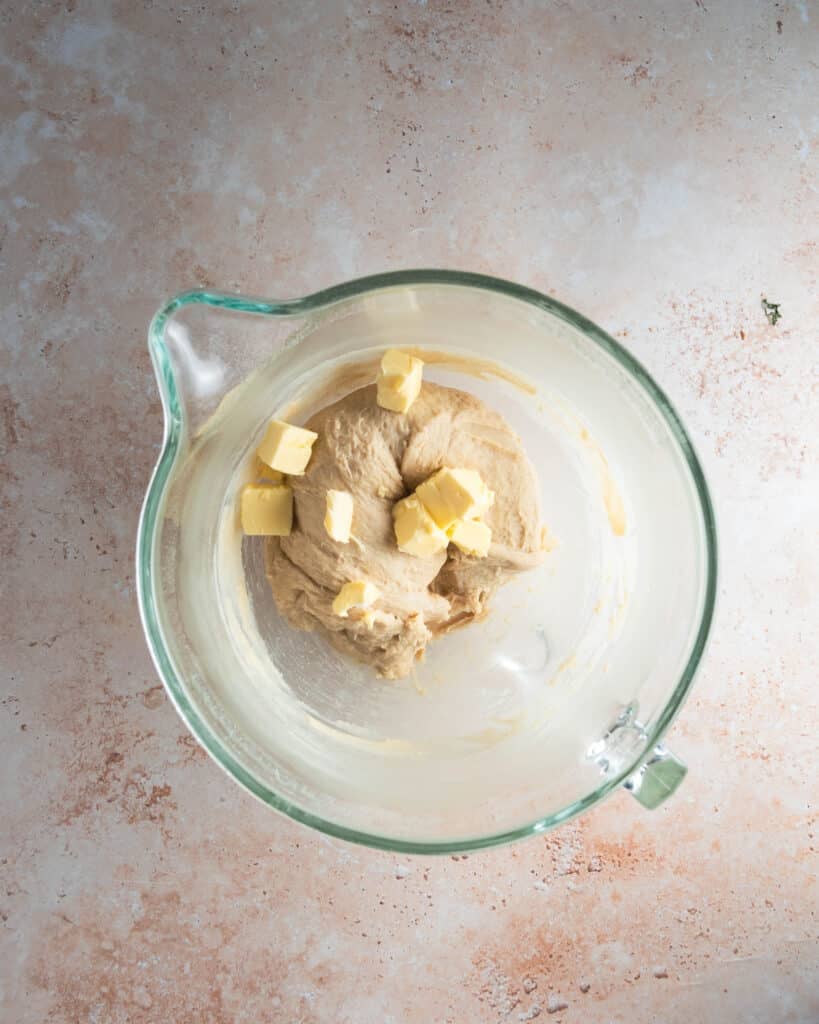
  • Add the softened butter and continue kneading until the dough becomes smooth and stretchy. It should feel elastic and become easier to handle as the gluten develops.

Milk bread flour mix

Check the dough

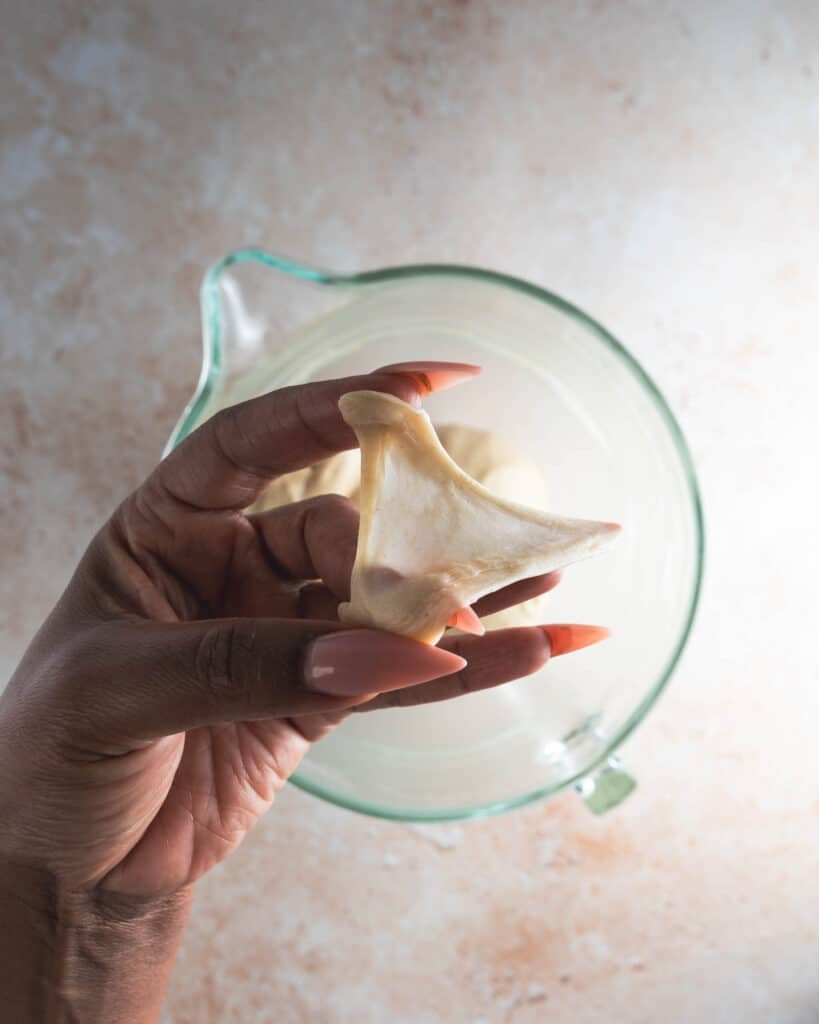
  • To check whether the dough has been kneaded sufficiently, perform the windowpane test. Take a small piece of dough and gently stretch it between your fingers. It should stretch into a thin, translucent membrane without tearing easily. If it tears too quickly, continue kneading for a little longer before testing again.
milk bread dough
windowpane test
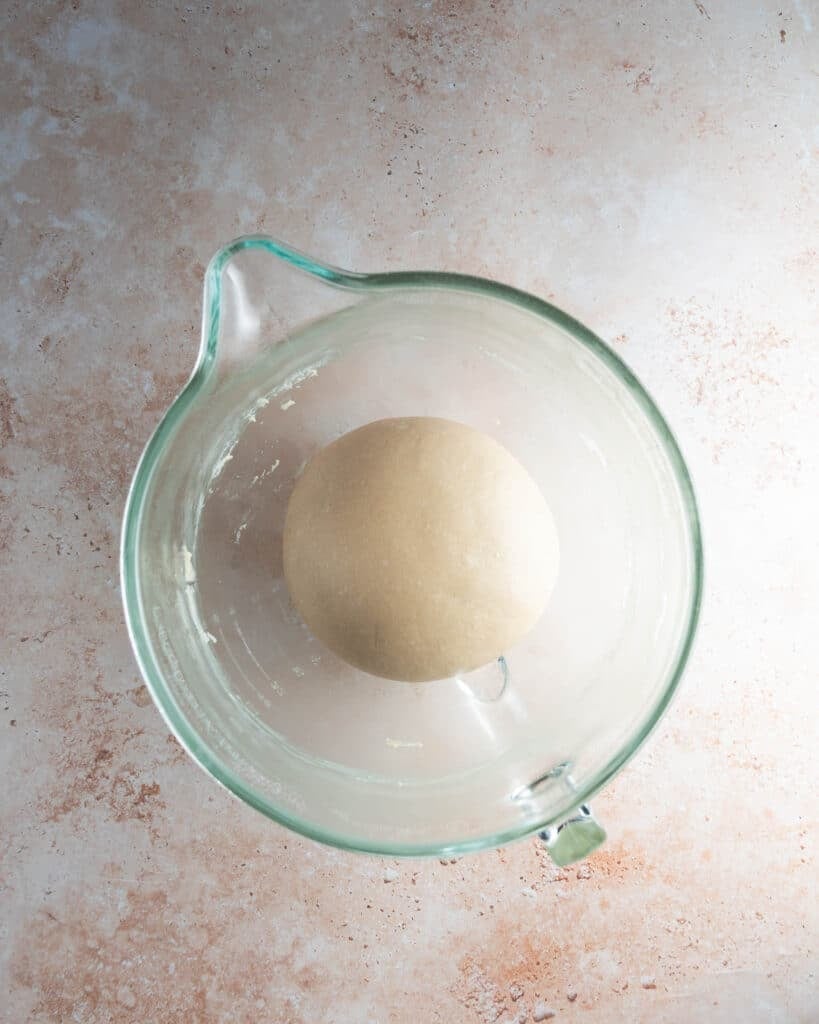
  • Transfer the dough to a work surface (I like to use a non-stick mat). Shape it into a ball by gently tucking the edges underneath, then rolling it against the surface until smooth and taut.
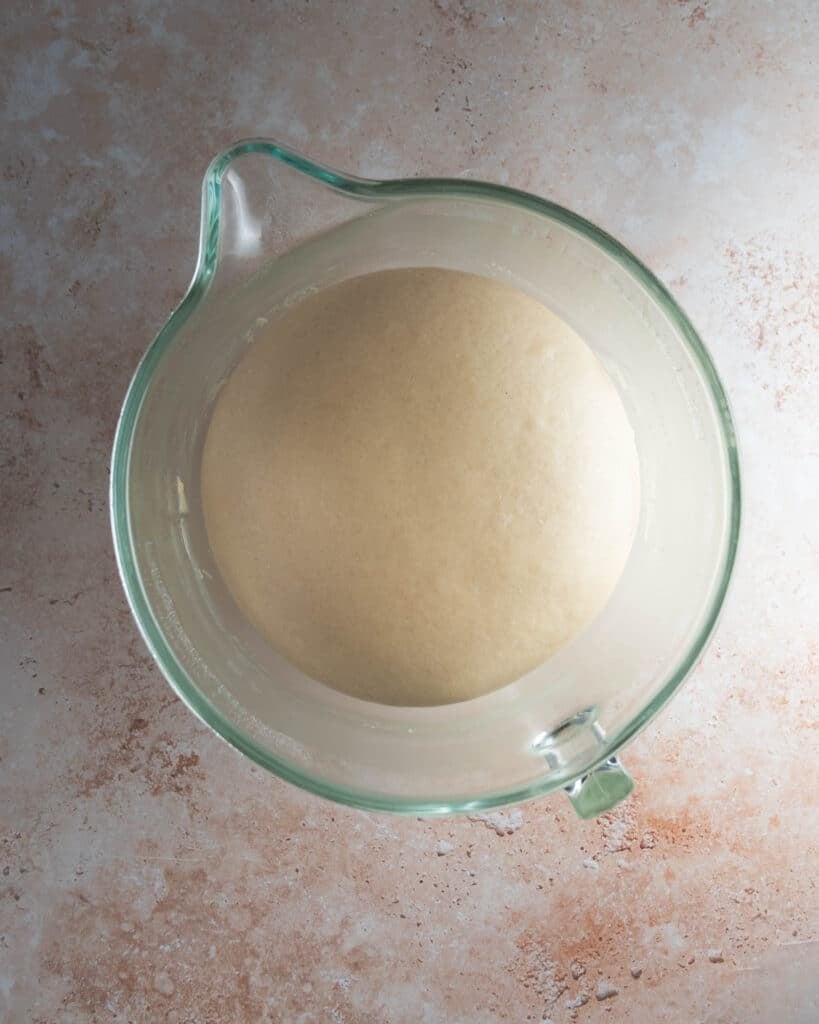
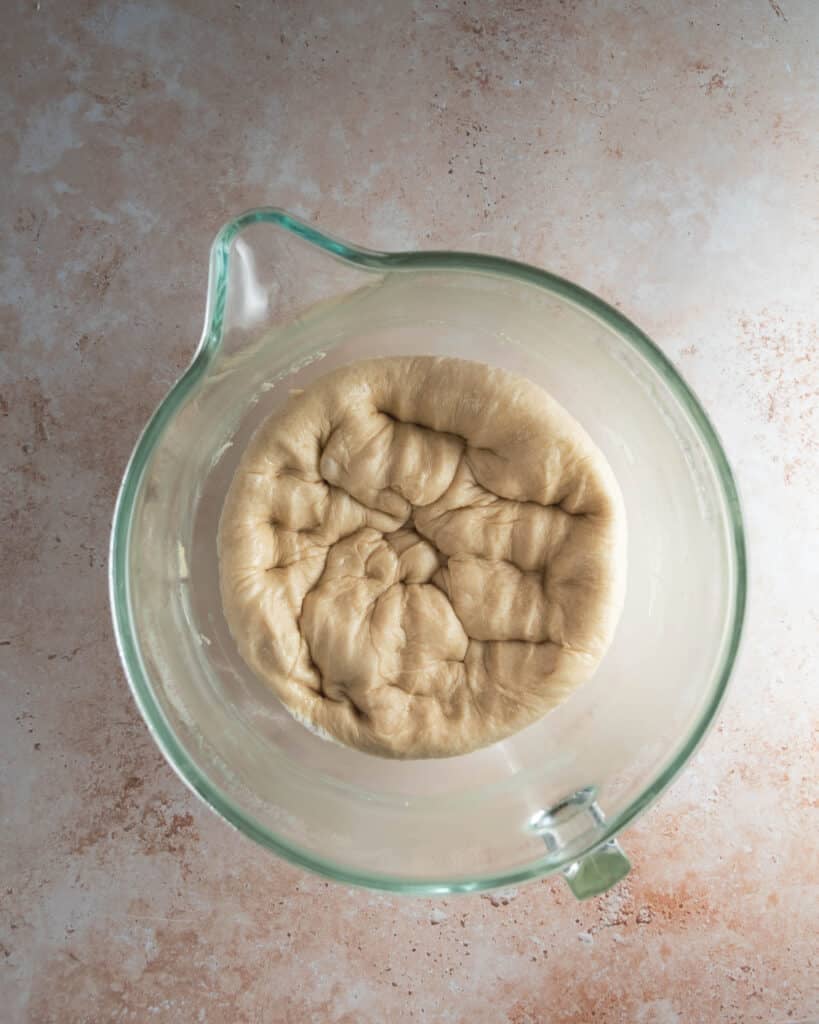
  • Lightly oil the mixing bowl and place the dough inside. Cover with cling film and leave to rise in a warm place for approximately 90 minutes, or until doubled in size. The exact proofing time will depend on the temperature of your kitchen.
  • Once the dough has risen, remove the cling film and gently punch it down to release the excess air.
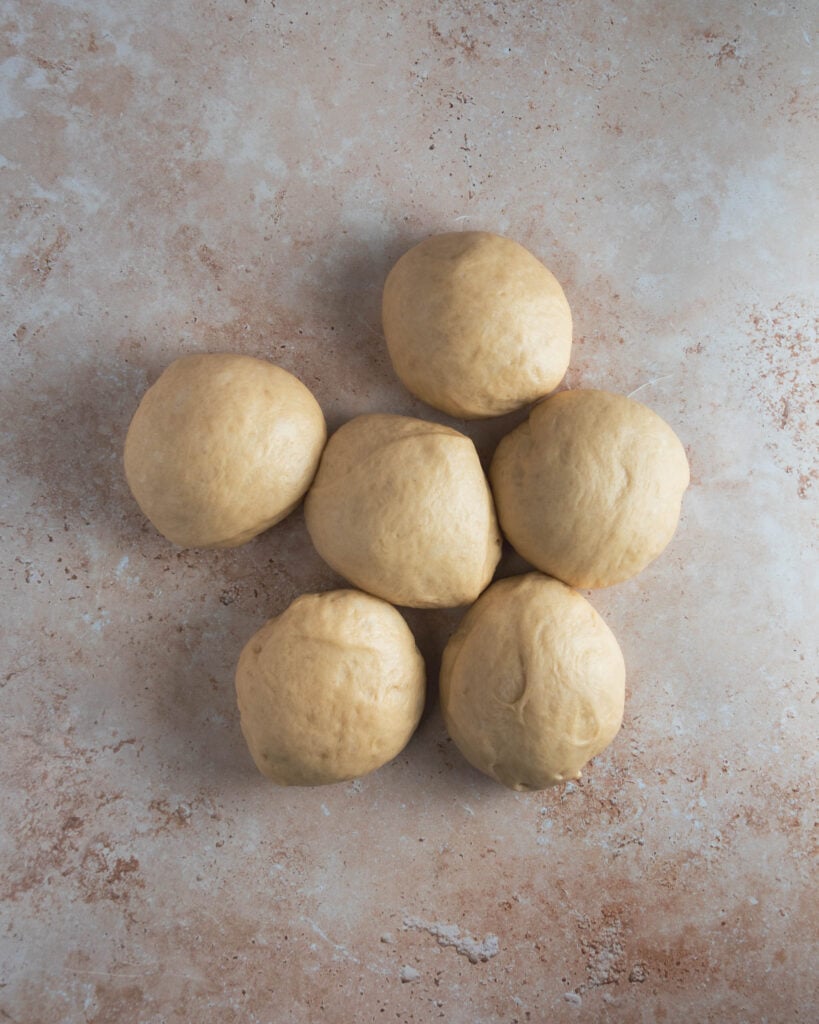
  • Weigh the dough and divide it into six equal portions.
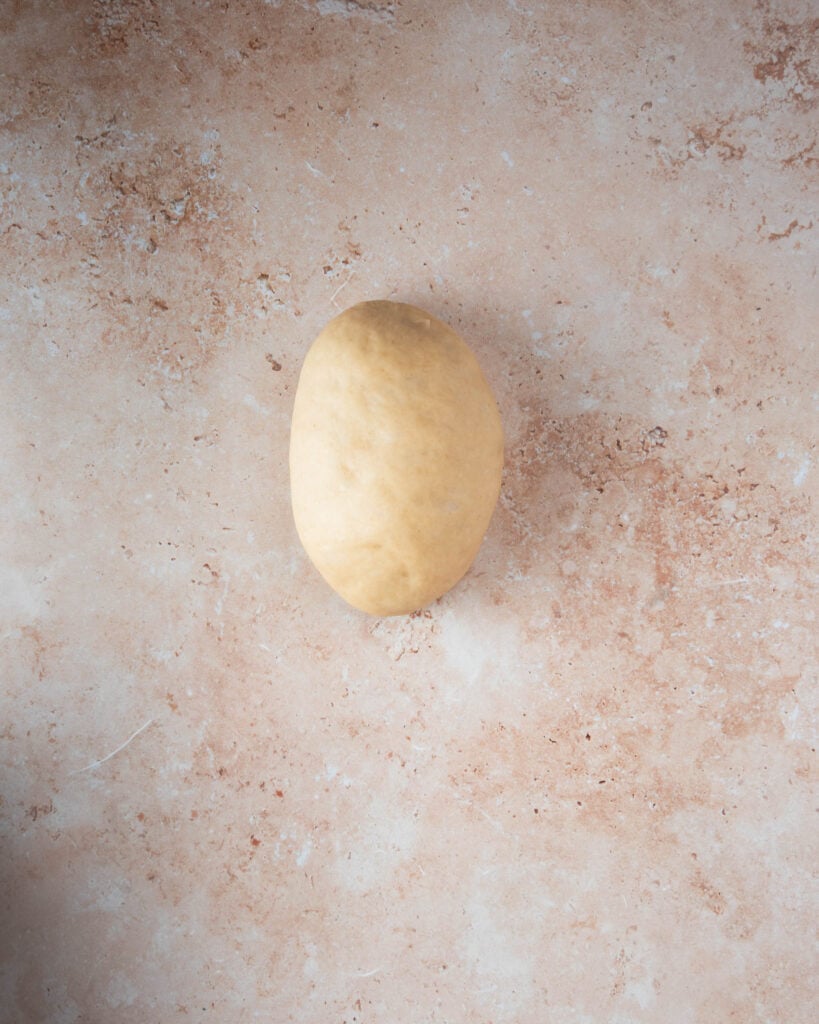
  • On an un-floured work surface, gently shape each portion into a ball.
  • Cover the dough balls with a clean tea towel and leave to rest for 30 minutes. This allows the gluten to relax, making the dough easier to roll and shape.
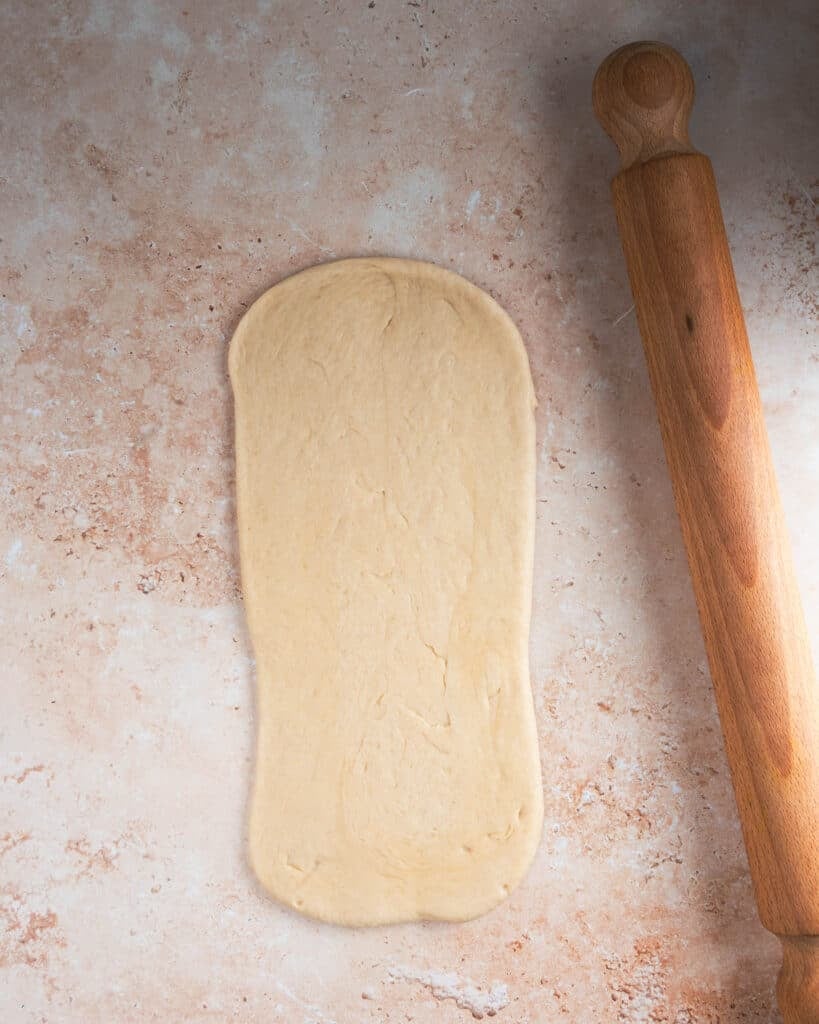
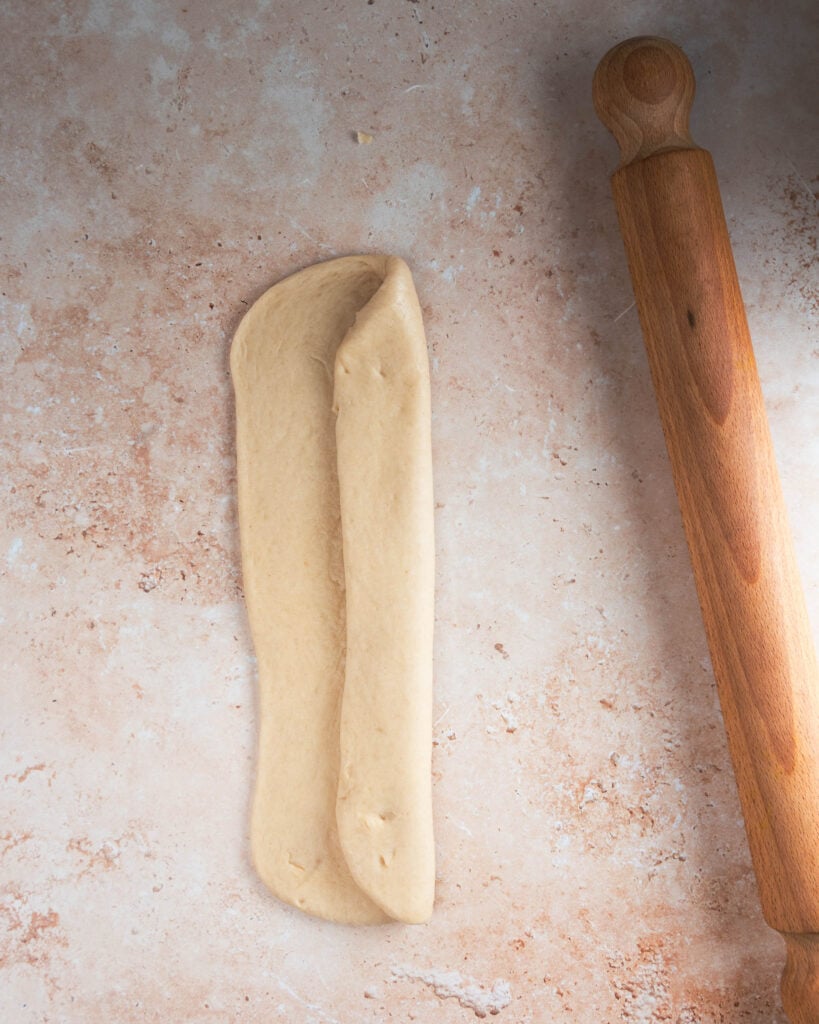
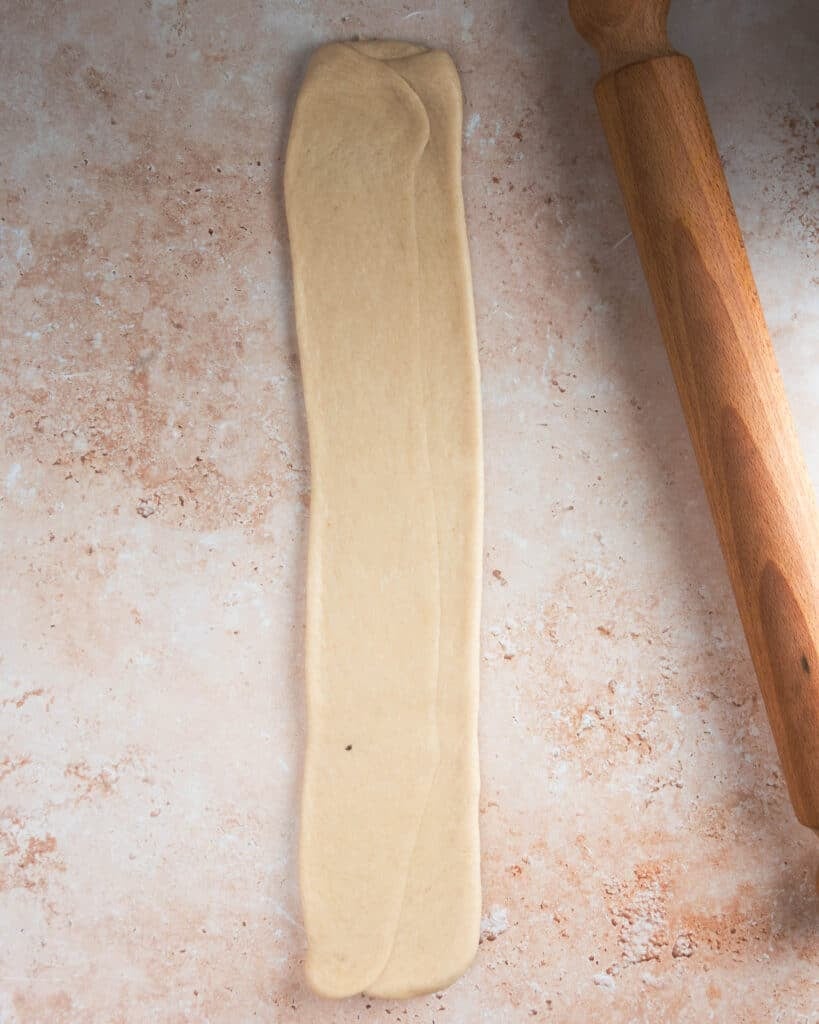
  • Working with one dough ball at a time, keeping the remaining portions covered, roll the dough into a rectangle.
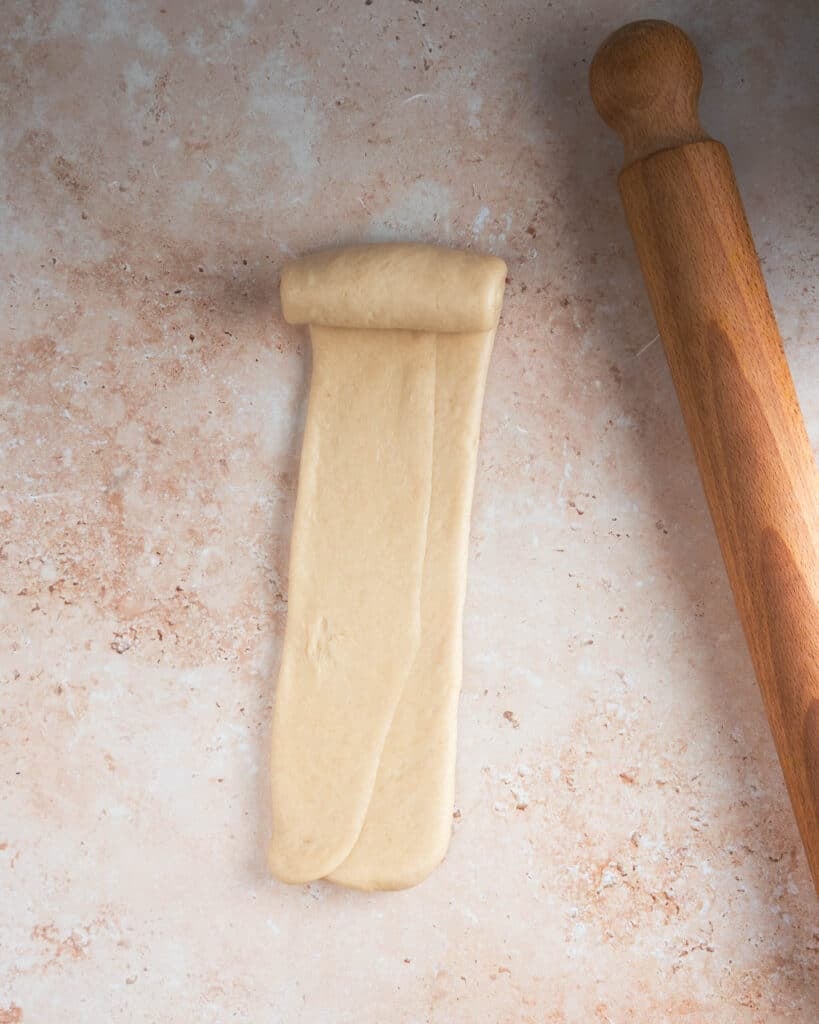
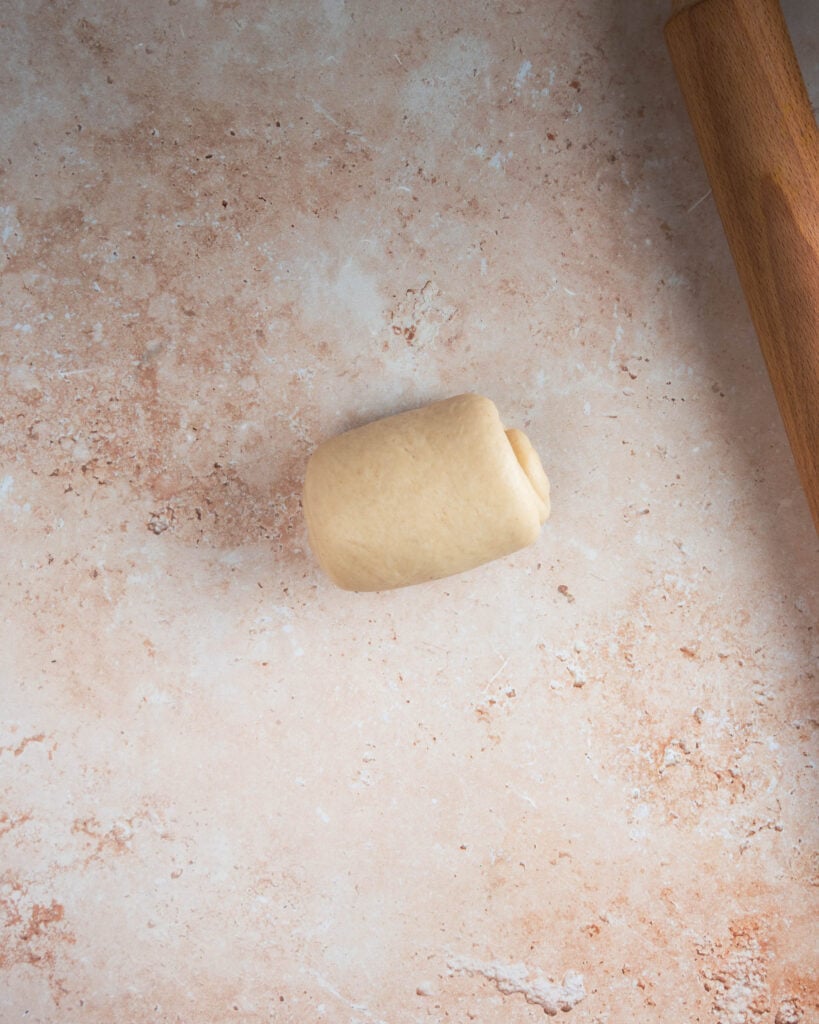
  • Fold the longer sides towards the centre, overlapping them slightly. Gently roll over the dough to seal the folds, then roll it up into a log, sealing the final seam.
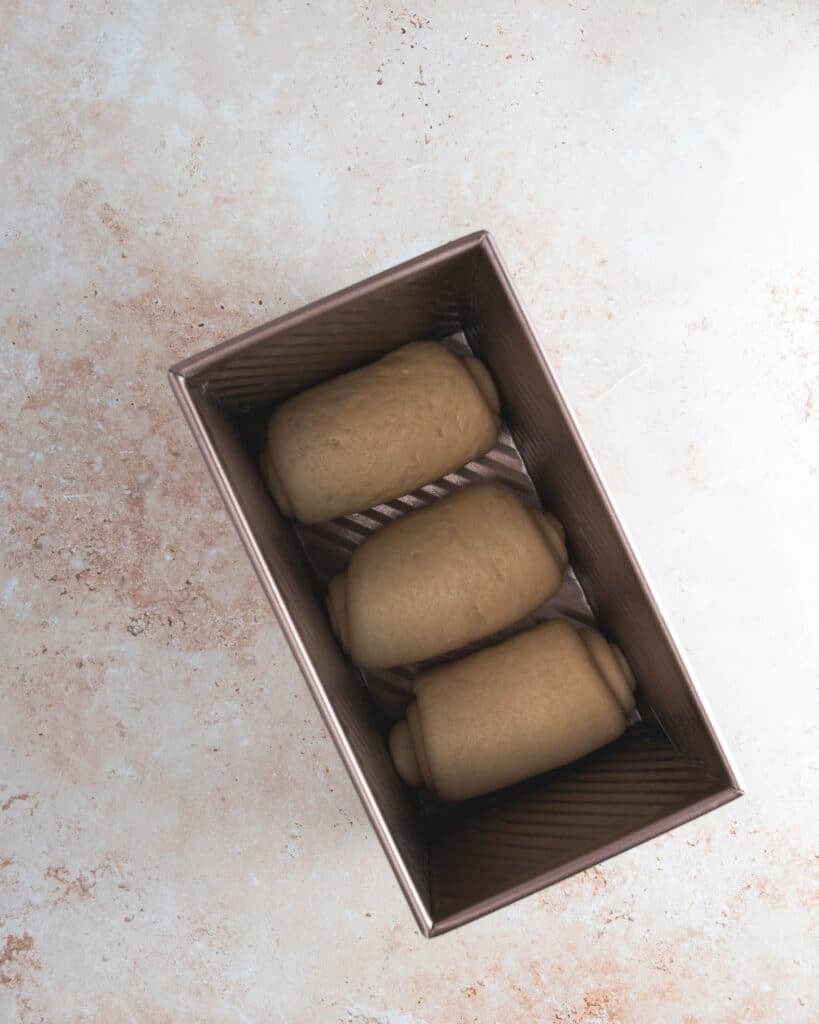
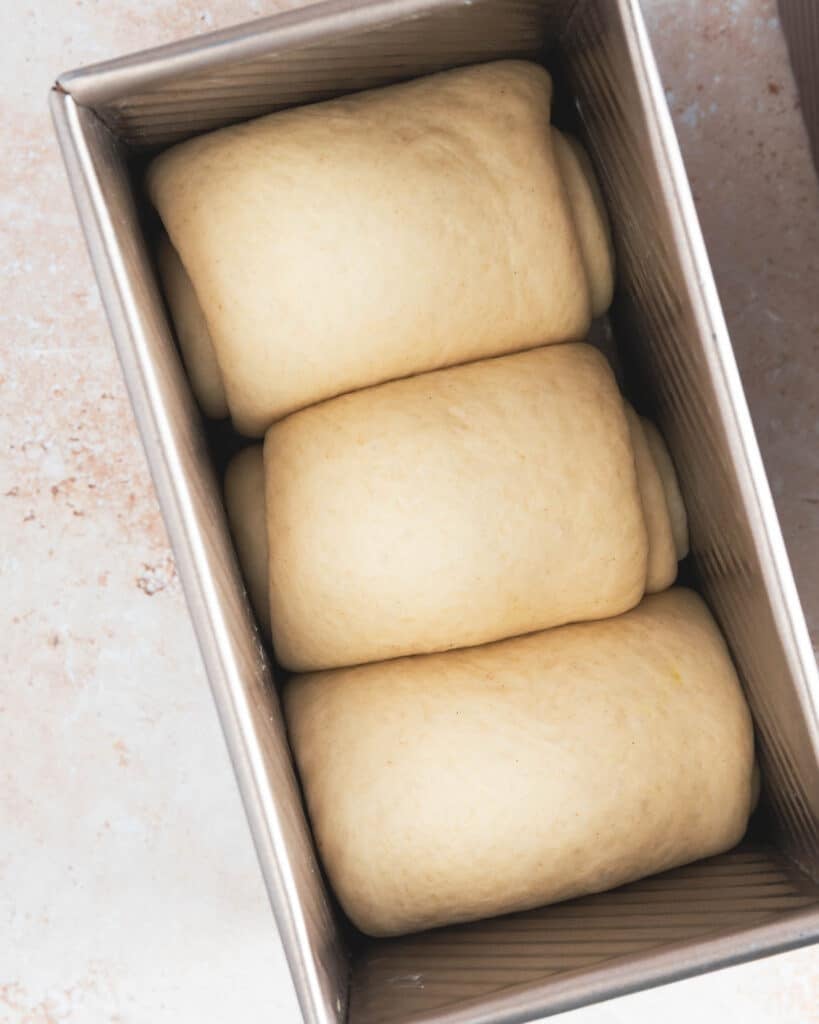
  • Arrange the three logs side by side in the prepared loaf tins, seam-side down.
  • If using the oven as a proofing environment, remove the loaf during the final 15 minutes of proofing to allow the oven to preheat.
  • If using the oven as a proofing environment, remove the loaf during the final 15 minutes of proofing to allow the oven to preheat.
  • Preheat the oven to 180°C (160°C fan).
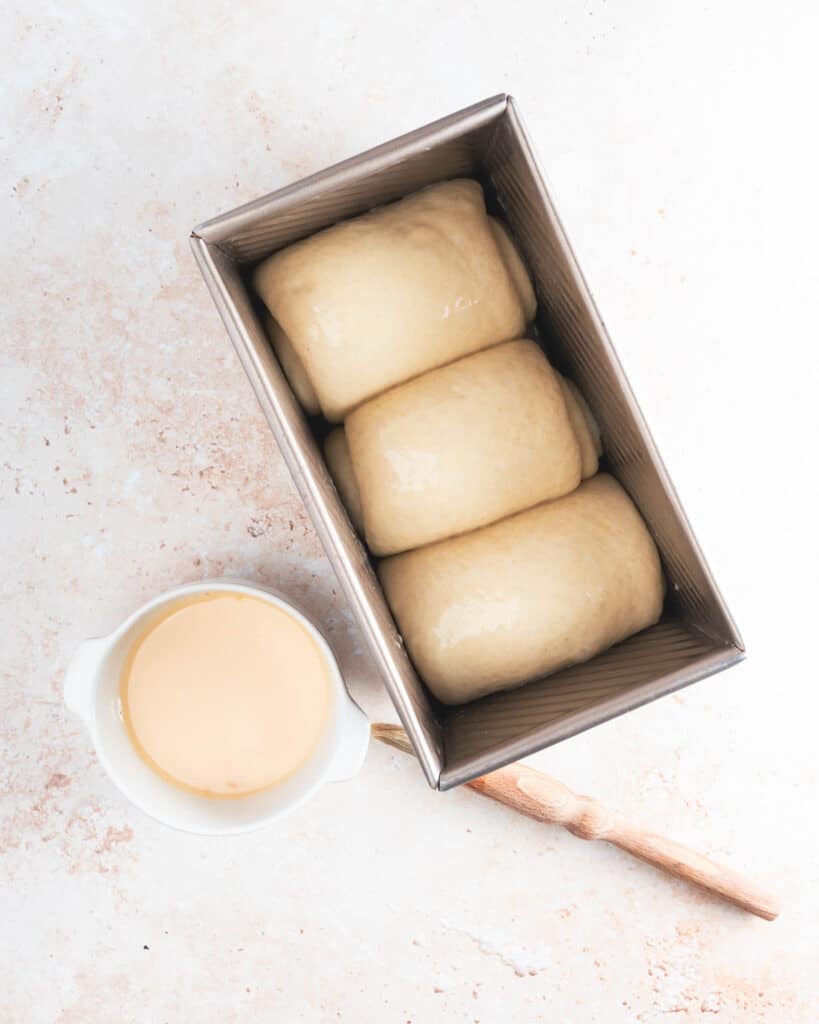
  • In a small bowl, whisk together an egg and a little milk.  Lightly brush the surface of the risen dough with the mixture.
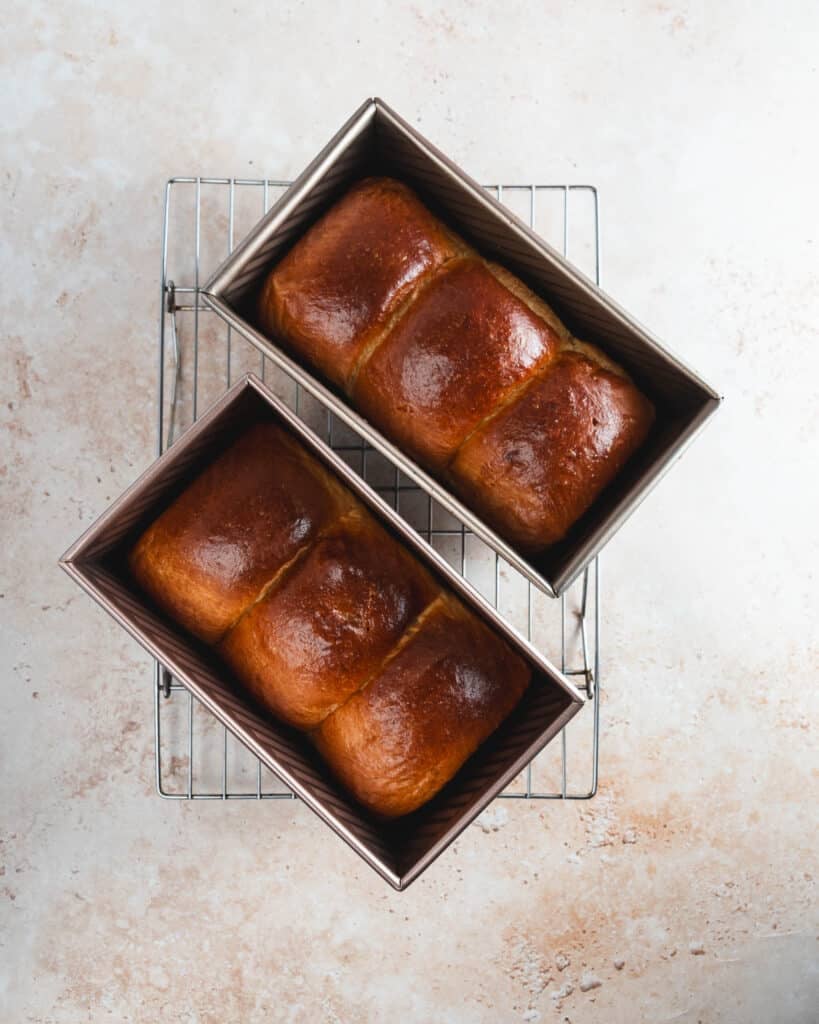
  • Bake for approximately 30 minutes, or until the loaf is golden brown and cooked through.
Soft Milk Bread
  • Remove the loaf from the oven and leave it to cool in the tin for 5 minutes before carefully turning it out onto a wire rack.
Soft Milk Bread

Here are a few ways to enjoy it:

Delicious, served fresh from the oven, generously spread with butter.

Equally delicious, toasted and topped with butter and your favourite jam.

For an extra-special treat, use it to make indulgent French toast.

Its wonderful flavour and texture also make it perfect for creating delicious sandwiches.

French Toast

Tips for making this milk bread

For this recipe, I used fast-action yeast, which comes in sachets and does not need to be activated or bloomed before use. However, always check the type of yeast you have before getting started. If your yeast has been sitting in the cupboard for a while, or if you are using a type that needs to be activated, add it to the lukewarm milk along with a teaspoon of sugar. Leave it for a few minutes. If it becomes foamy and bubbly, your yeast is active and ready to use.

I prefer to carry out the first rise (bulk fermentation) in the fridge. The cool temperature slows down the fermentation process, allowing the dough to develop a deeper flavour. It also gives you greater flexibility, as you can work the bread-making process around your schedule.

I recommend using a kitchen scale to weigh your ingredients rather than measuring by volume. Weighing is more accurate and consistent, helping you achieve reliable results every time. It also makes it easier to divide the dough into equal portions, ensuring your bread bakes evenly.

Soft Milk Bread

Soft Milk Bread

No ratings yet
Print Pin Rate
Prep Time: 15 minutes minutes
Cook Time: 30 minutes minutes
Calories:

Ingredients

Tangzhong

  • 25 g bread flour
  • 100 g water room temperature

Milk Bread

  • 500 g bread flour
  • 50 g sugar
  • 10 grams yeast
  • 10 grams salt
  • 30 g milk powder
  • 150 ml milk lukewarm
  • 150 ml double cream room temperature
  • 1 egg room temperature
  • all of tangzhong room temperature
  • 60 g butter room temperature

Instructions

Prepare the tangzhong

  • In a saucepan, whisk together 25 g of bread flour and 100 g of water until smooth. Place over medium heat, whisking constantly, until the mixture thickens into a smooth paste and reaches 65°C (150°F). Transfer to a bowl, cover the surface with cling film and leave to cool completely before using.

Make the dough

  • Add the bread flour, sugar, salt, milk powder and yeast to the bowl of a stand mixer. Add the salt and yeast separately, placing them on opposite sides of the bowl to prevent direct contact. Salt can inhibit yeast activity when it comes into direct contact with it. Mix briefly to combine.
  • Add the cooled tangzhong, egg, milk and cream. Knead for 10 minutes. At this stage, the dough may look rough and shaggy.
  • Add the softened butter and continue kneading until the dough becomes smooth and stretchy. It should feel elastic and become easier to handle as the gluten develops.

Check the dough

  • To check whether the dough has been kneaded sufficiently, perform the windowpane test. Take a small piece of dough and gently stretch it between your fingers. It should stretch into a thin, translucent membrane without tearing easily. If it tears too quickly, continue kneading for a little longer before testing again.

First proof

  • Transfer the dough to a work surface (I like to use a non-stick mat). Shape it into a ball by gently tucking the edges underneath, then rolling it against the surface until smooth and taut.
  • Lightly oil the mixing bowl and place the dough inside. Cover with cling film and leave to rise in a warm place for approximately 90 minutes, or until doubled in size. The exact proofing time will depend on the temperature of your kitchen.

Divide and rest

  • Once the dough has risen, remove the cling film and gently punch it down to release the excess air.
  • Weigh the dough and divide it into three equal portions. On an un-floured work surface, gently shape each portion into a ball.
  • Cover the dough balls with a clean tea towel and leave to rest for 30 minutes. This allows the gluten to relax, making the dough easier to roll and shape.

Shape the dough

  • Generously grease a loaf tin with softened butter or non-stick baking spray, ensuring all sides and corners are evenly coated.
  • Working with one dough ball at a time, keeping the remaining portions covered, roll the dough into a rectangle.
  • Fold the longer sides towards the centre, overlapping them slightly. Gently roll over the dough to seal the folds, then roll it up into a log, sealing the final seam.
  • Repeat with the remaining dough portions.
  • Arrange the three logs side by side in the prepared loaf tin, seam-side down.

Final proof

  • Cover the tin loosely with cling film or a clean tea towel and leave to proof in a warm place for 30–45 minutes, or until the dough has doubled in size and risen nicely.
  • If using the oven as a proofing environment, remove the loaf during the final 15 minutes of proofing to allow the oven to preheat.

Bake

  • Preheat the oven to 180°C (160°C fan).
  • In a small bowl, whisk together an egg and a little milk. Lightly brush the surface of the risen dough with the mixture.
  • Bake for approximately 30 minutes, or until the loaf is golden brown and cooked through.

Cool

  • Remove the loaf from the oven and leave it to cool in the tin for 5 minutes before carefully turning it out onto a wire rack.
  • Allow to cool before slicing.
If you made this recipe, I would love to hear from you.Tag Bakes By Chichi on Instagram or hashtag #bakesbychichi


Related

Filed Under: Uncategorized

« Chocolate Marbled Banana Crumb Coffee Cake

Leave a Reply Cancel reply

Your email address will not be published. Required fields are marked *

Recipe Rating


Recipe Archives

Recipe Categories

Breakfast

Easy strawberry scones
Raspberry White Chocolate Muffins
The Best Moist Chocolate Chip Banana Bread
Double chocolate chunk muffins

Recent Posts

  • Soft Milk Bread (Tangzhong Method)
  • Chocolate Marbled Banana Crumb Coffee Cake
  • Easy Crème Caramel
  • The Best Lemon Poppy Seed Loaf
  • Easy Oreo Pound Cake
Privacy Policy

Popular Recipes

Strawberry Vodka Mojito
Spicy Cajun Tiger Prawns
Red Velvet Cheesecake Cupcakes
Meat Pie
Scones

web design by britishvirtualmanagement

Rate This Recipe

Your vote:


A rating is required
A name is required
An email is required